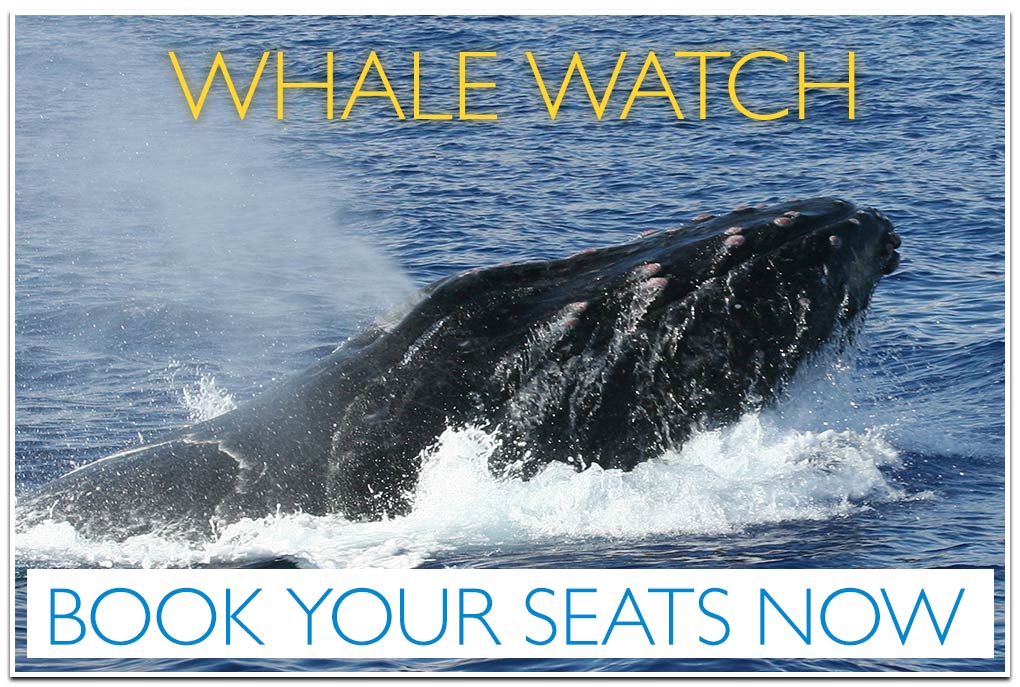
Maui is more than just a tropical paradise of golden beaches and lush landscapes. It is also one of the most extraordinary places on earth to observe humpback whales in their natural habitat. These gentle giants travel across thousands of miles of ocean every year to reach the warm Hawaiian waters. For travelers and nature lovers, Maui offers a rare opportunity to witness these fascinating creatures up close. What is more amazing about Maui water excursions is not just the number of whales but also how close, active, and visible they are, offering an unforgettable experience for visitors of all ages.
Why Maui Is One of the Best Places in the World to See Humpback Whales
It is a Prime Water Breeding Ground
In wintertime, thousands of North Pacific humpback whales migrate from Alaska to Maui’s warm shallow waters. Maui’s water conditions are best for mating, giving birth, and raising calves. Here, the whales spend more time near the surface, making them easy to spot and observe. It is very common to catch a mother whale swimming together with its calf.
High Whale Population
Up to 10,000 individual whales arrive in Maui every year. Especially famous for its high concentration of whale activity, a shallow stretch of channel called the ‘Au’au Channel is an excellent area for whale watching. Located between Maui, Lanai, and Molokai, visitors here are more likely to encounter frequent sightings and close encounters.
Calm, Clear Waters for Shoreline Viewing
Maui’s oceans are typically warm and clear. This offers tourists excellent visibility when whale watching. The best part is that many sightings happen right from shore. In places like Lahaina and Kaanapali Beach, whales are often visible from the shoreline. You do not always need to book a tour to see the whales.
Popular viewing spots for whales offshore include Lahaina and Kaanapali Beach.
Diverse Whale Behaviors on Display
Maui is a breeding and calving area, and because of this, visitors get to enjoy a wide range of fascinating behaviors:
- Breaching and dramatic leaps
- Tail slapping and fin waving
- Close interactions between mothers and calves
- Competitive displays among males
These behaviors make every whale encounter magically unforgettable.
One of the most fascinating experiences is observing the bond between a mother and her calf. Calves usually stay close to the surface, learning essential survival skills under their mothers’ careful eye and guidance. And if you are planning on diving or snorkeling while there, you might hear the hauntingly beautiful songs of male humpbacks, as this is a sound that is carried for miles underwater.
A Protected and Sustainable Habitat
Whales thrive even with wildlife viewing. This is due to strict conservation measures. In fact, much of the surrounding ocean is part of the Hawaiian Islands Humpback Whale National Marine Sanctuary, a federally protected area dedicated to the conservation of humpback whales. This helps safeguard and ensure the well-being of whale populations.
Strict guidelines are in place to regulate how close boats can approach and how humans can interact with the whales. These guidelines ensure that future generations get to enjoy the same incredible encounters.
Long and Reliable Whale Season
When planning your trip, there are many dates to choose from. Whale season in Maui runs from November through April, though peak sightings are from January to March. This long season makes it easier for travelers to plan their visit and still have a high chance of encountering whales.
Enjoy a Front Row Seat to One of Nature’s Spectacles
Maui has a unique combination of warm waters, protected habitats, and abundant marine life that make it one of the best places for whale watching. There are only a few places in the world that can rival witnessing this natural spectacle in Mau’i, so if you are planning an unforgettable experience with your friends or family, book a Maui whale-watching tour package today.